
iBstone
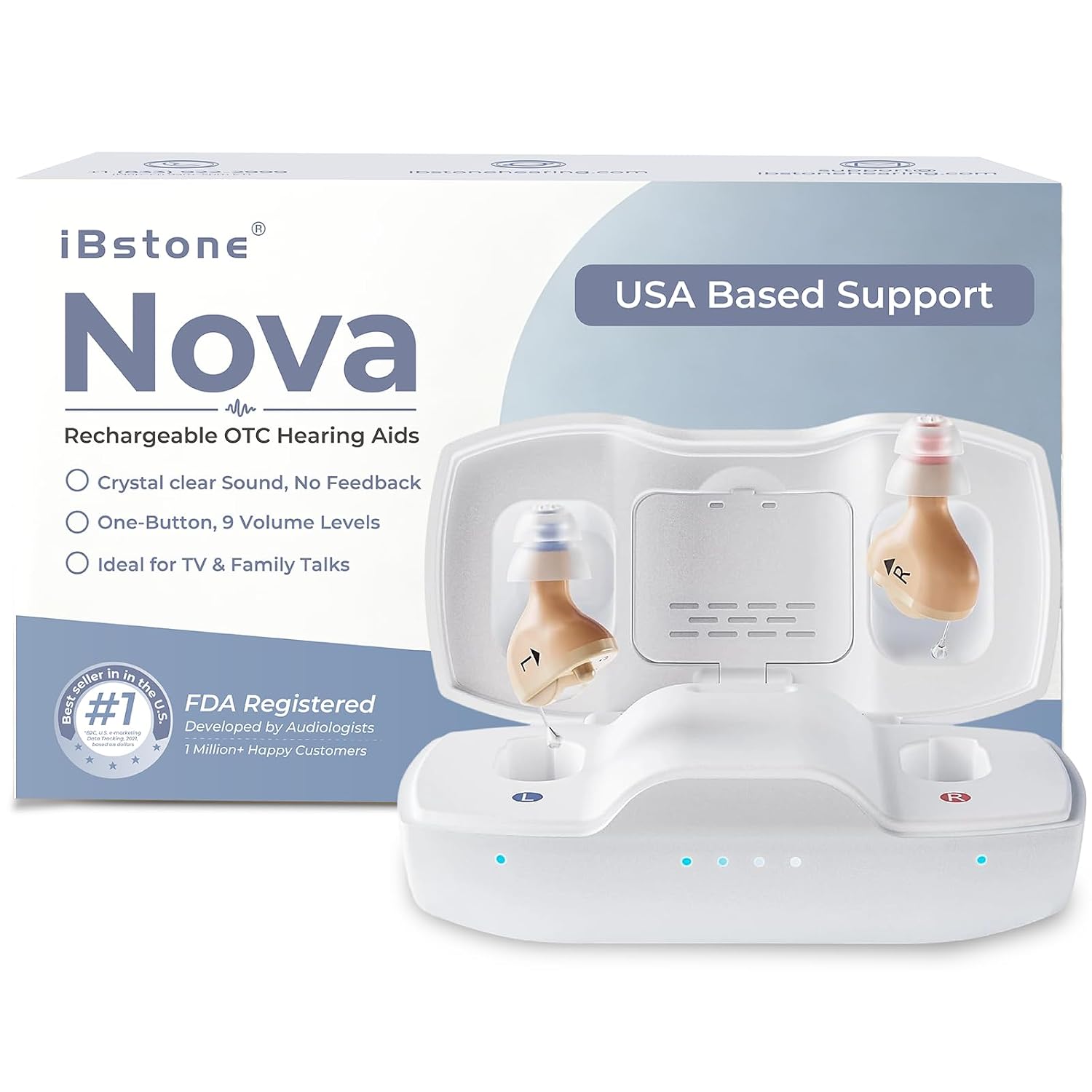
iBstone Nova
Compact rechargeable design with a charging case and an anti-loss lanyard option.
- Completely in canal (CIC)
- Rechargeable: Yes
This catalog brings together nine over-the-counter hearing aid models from iBstone, Vivtone, and ELEHEAR. Start by deciding where you want the device to sit. Completely-in-canal models have a compact fit, while receiver-in-canal designs place the body behind the ear and the receiver in the canal. A behind-the-ear model offers another option for handling the device. Use the cards to find a model, then open its page for controls, charging, and compatibility details. The buying guides help you weigh those differences before checking the seller's current terms.
Compact rechargeable design with a charging case and an anti-loss lanyard option.
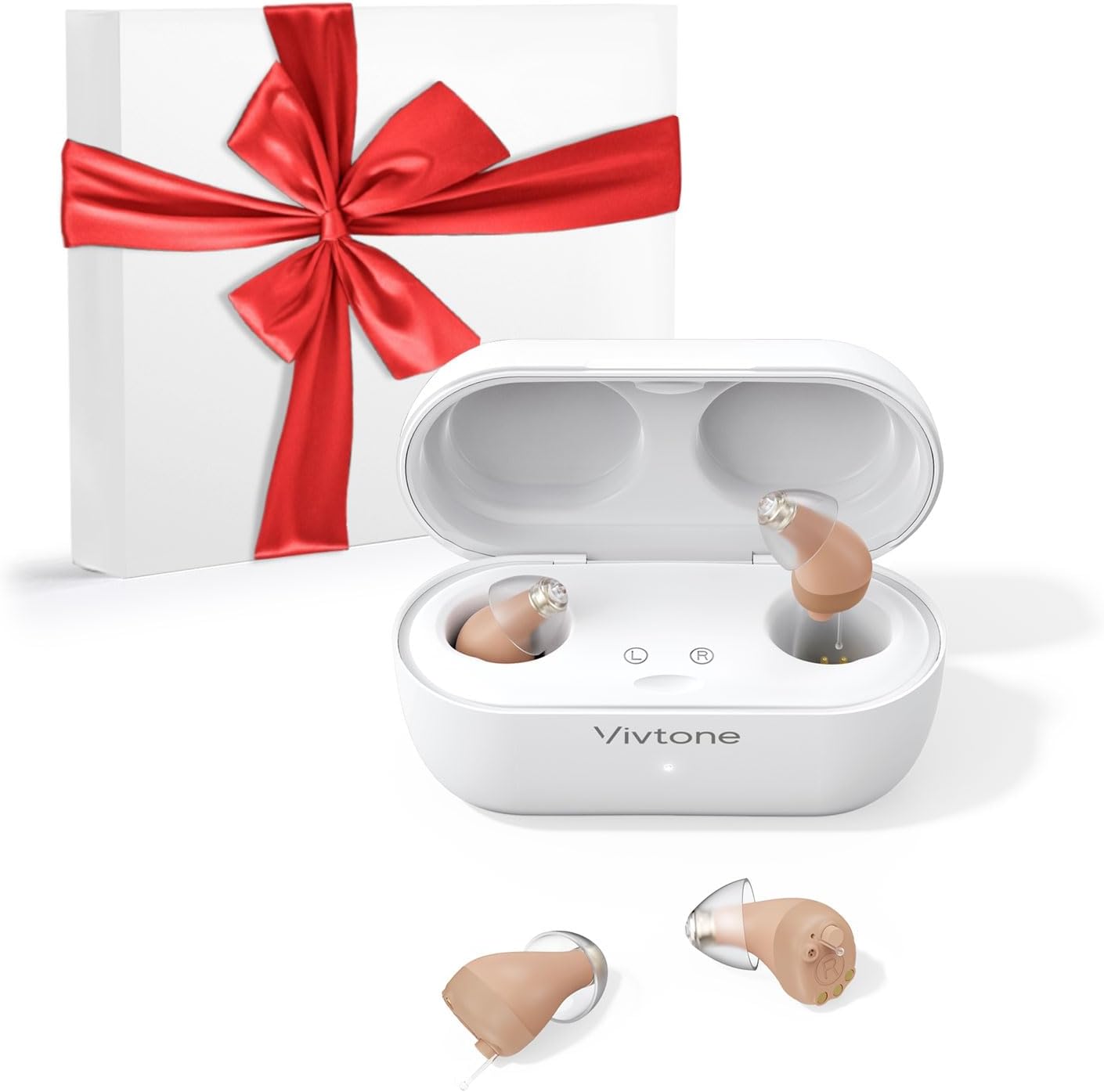
Rechargeable in-canal devices with button controls and a portable charging case.
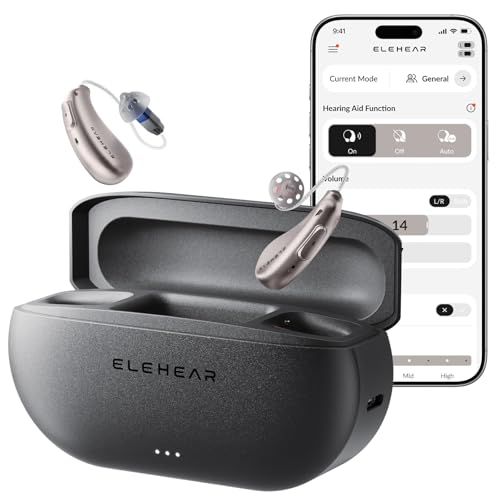
Rechargeable receiver-in-canal hearing aids with app adjustments and Bluetooth streaming.
Compact in-canal, receiver-in-canal and Bluetooth models for different setup preferences.
Rechargeable models ranging from compact ear-canal devices to behind-the-ear and Bluetooth receiver-in-canal options.
App-adjustable rechargeable aids in receiver-in-canal and earbud-style designs.
Compact rechargeable design with a charging case and an anti-loss lanyard option.
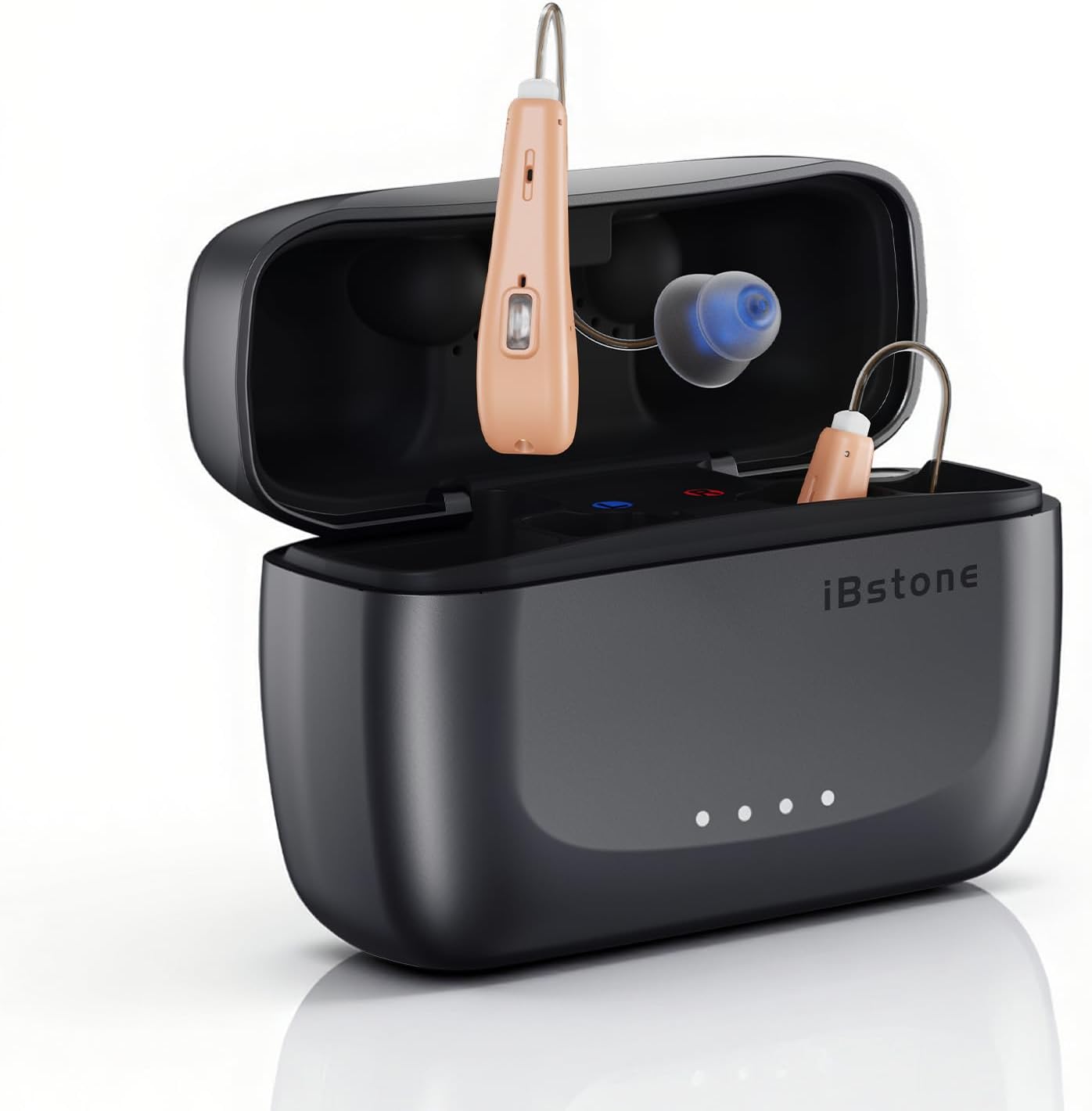
Rechargeable receiver-in-canal design with physical controls and a manufacturer-stated IP67 rating.
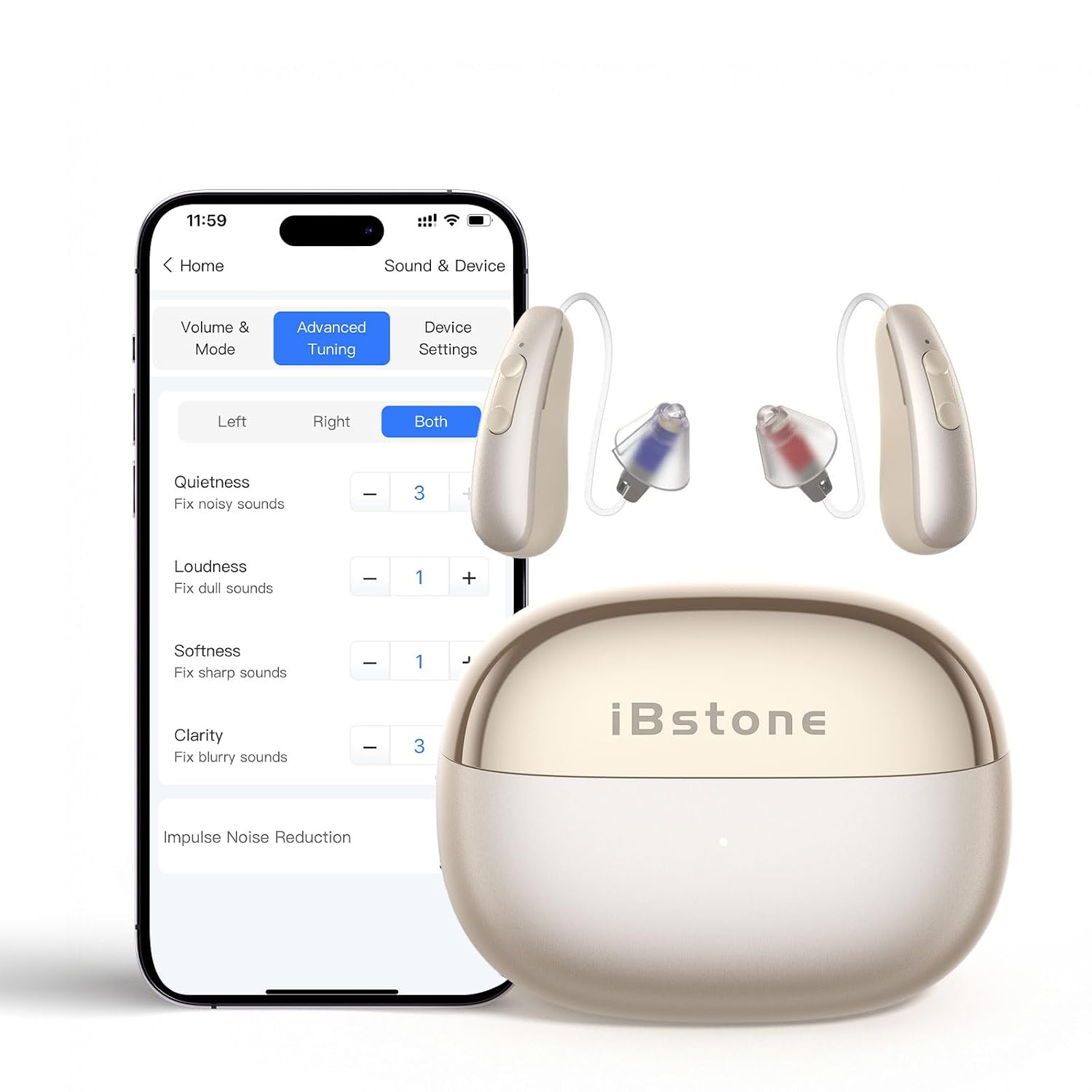
Receiver-in-canal model with app-based adjustments and support for streaming phone calls and music.
Rechargeable in-canal devices with button controls and a portable charging case.
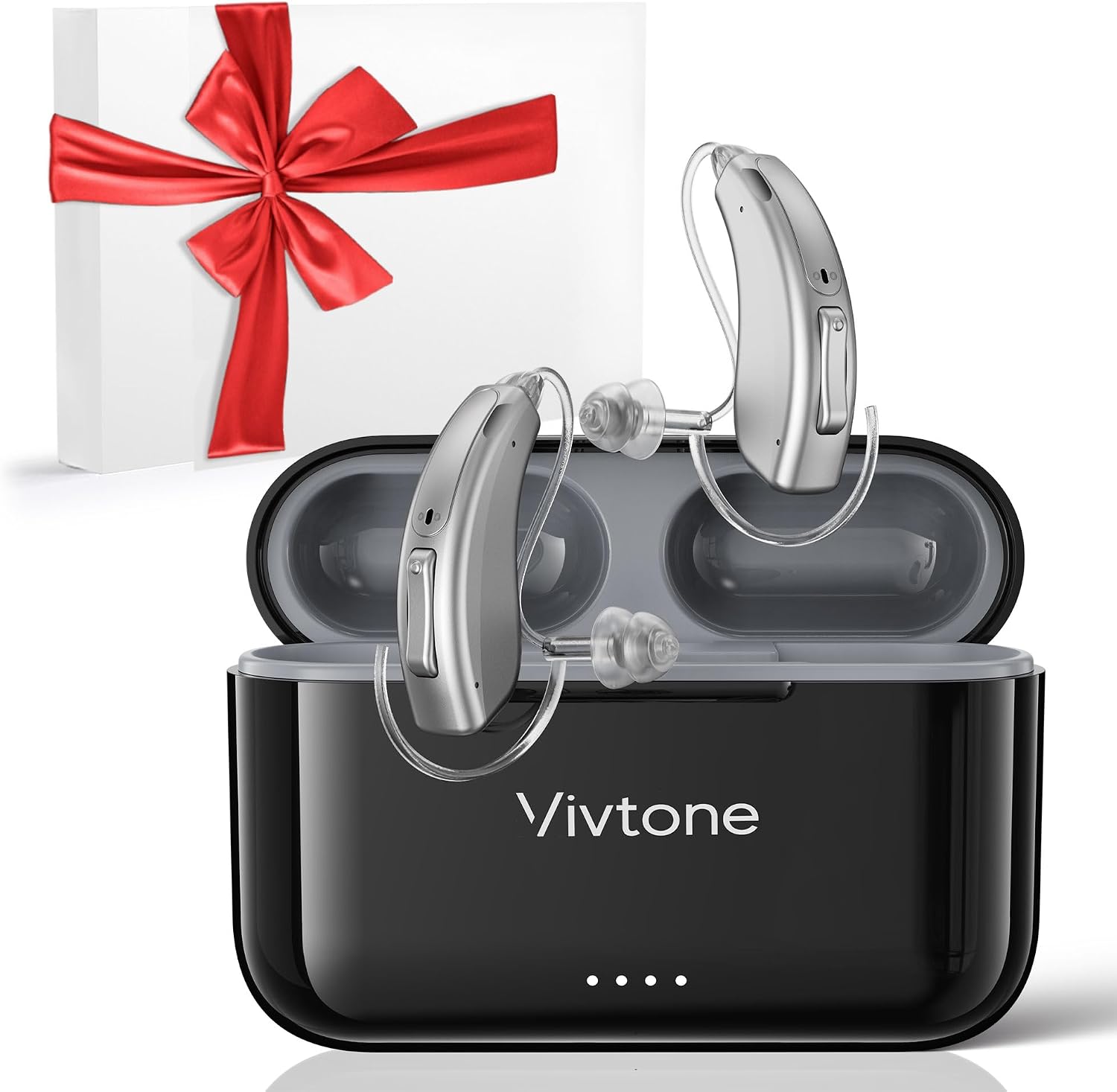
Behind-the-ear design with rechargeable power and selectable listening presets.
Rechargeable receiver-in-canal hearing aids with app adjustments and Bluetooth streaming.
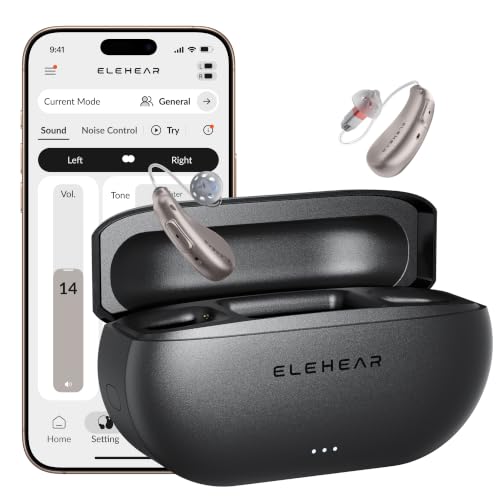
Rechargeable receiver-in-canal hearing aids with app adjustments, Bluetooth streaming and a dedicated music mode.
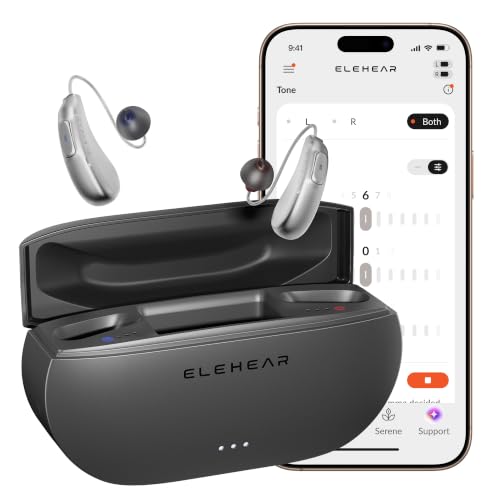
Rechargeable receiver-in-canal hearing aids with app adjustments, Bluetooth streaming and replaceable receivers.
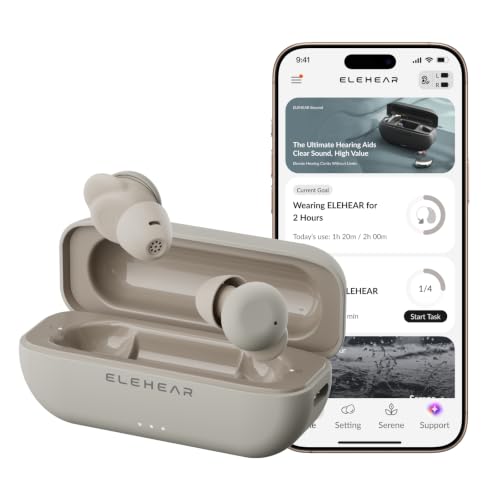
Earbud-style rechargeable hearing aids with app adjustments, Bluetooth streaming and a manufacturer-stated IP67 rating.
OTC hearing aids are available in stores and online. The seller may be the manufacturer or a retailer. Review the exact model, package contents, retailer return policy, and support options before choosing where to order. The model pages link to purchase options for the devices covered here.
Yes. U.S. consumers can buy OTC hearing aids without a prescription. The FDA describes them as a category for adults 18 and older with perceived mild to moderate hearing loss. A hearing health professional can help if you are unsure about the cause or degree of your hearing loss.
Over-the-counter hearing aids are sold directly to adults with perceived mild to moderate hearing loss. Prescription hearing aids are available through hearing health professionals and may be used for a wider range of needs. The FDA's category guide explains the intended users and how the two kinds of devices are obtained.
An in-canal model has its main housing inside the ear. A receiver-in-canal model places the main body behind the ear and runs a thin wire to the receiver in the canal. Compare how each position affects your ability to insert the aids, reach the controls, and wear them with glasses.
Check whether Bluetooth supports app adjustments, streaming, or both. Look for explicit support for calls or media on your phone and operating system. For television audio, check whether the hearing aid needs a compatible TV or a separate transmitter. Pairing instructions vary by model and are worth reading before buying.